Fashion, new trends, and an eye for what comes next. These four neighborhoods bring together different sides of Tokyo’s style, from playful self-expression to polished sophistication.
Think shopping, café stops, and a little people-watching—a part of the city to explore as much for its atmosphere as its landmarks.
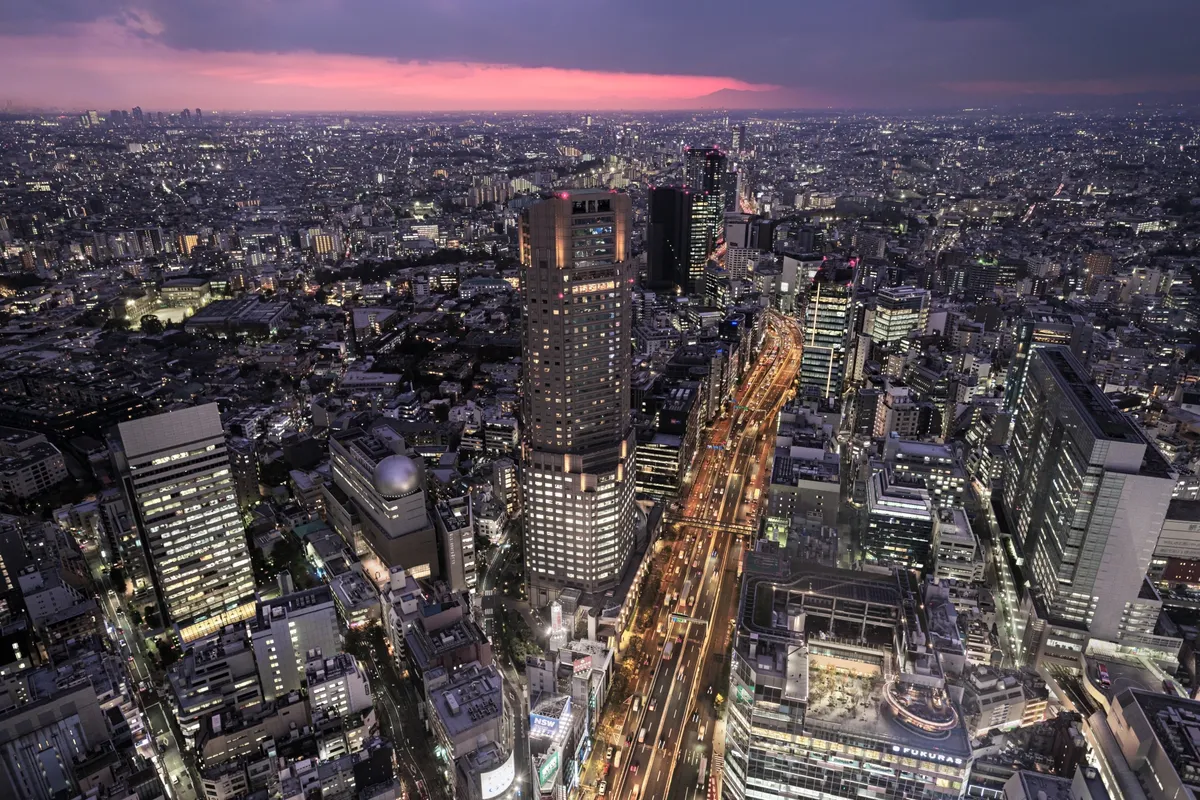
Crowded, a little loud, and always in motion. To me, Shibuya is a party-loving neighborhood, a place where trends take off and sleek tech-company offices rise above the busy streets. It can feel overwhelming, but there is usually something happening—and something new to discover.
EIGHT STOPS / THE SHIBUYA EDIT
A walk through Shibuya.
Follow the neighborhood from the station, with sights, shops and good food along the way.
01
Explore
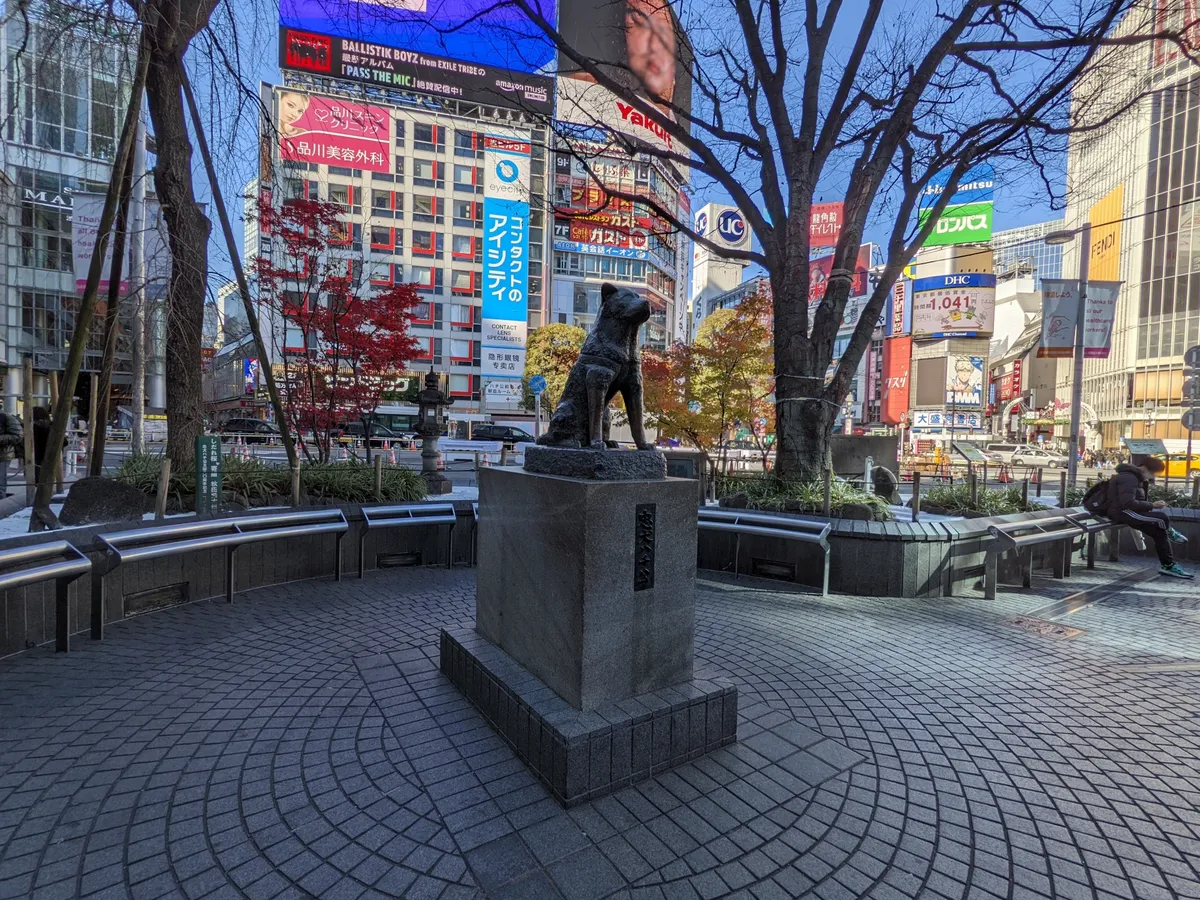
Hachikō
Say hello to Shibuya’s most faithful friend.
忠犬ハチ公像
Hachikō, beside Shibuya Station.
Before diving into the crowds, start with a greeting to Hachikō. The statue is a familiar meeting point and a small, personal way to begin a day in Shibuya.
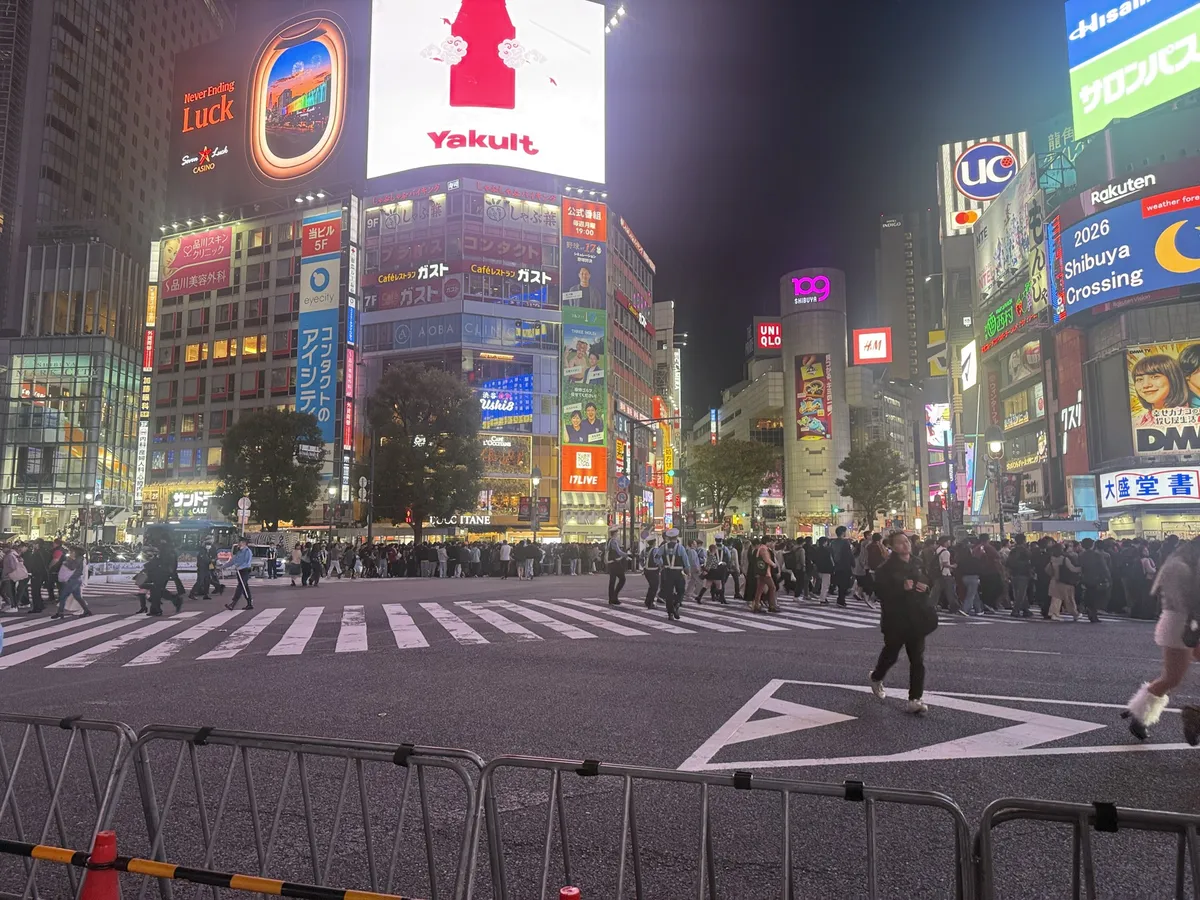
Wait for the lights, then join the stream of people crossing in every direction. It is a famous sight, but being part of it feels different from watching a video.
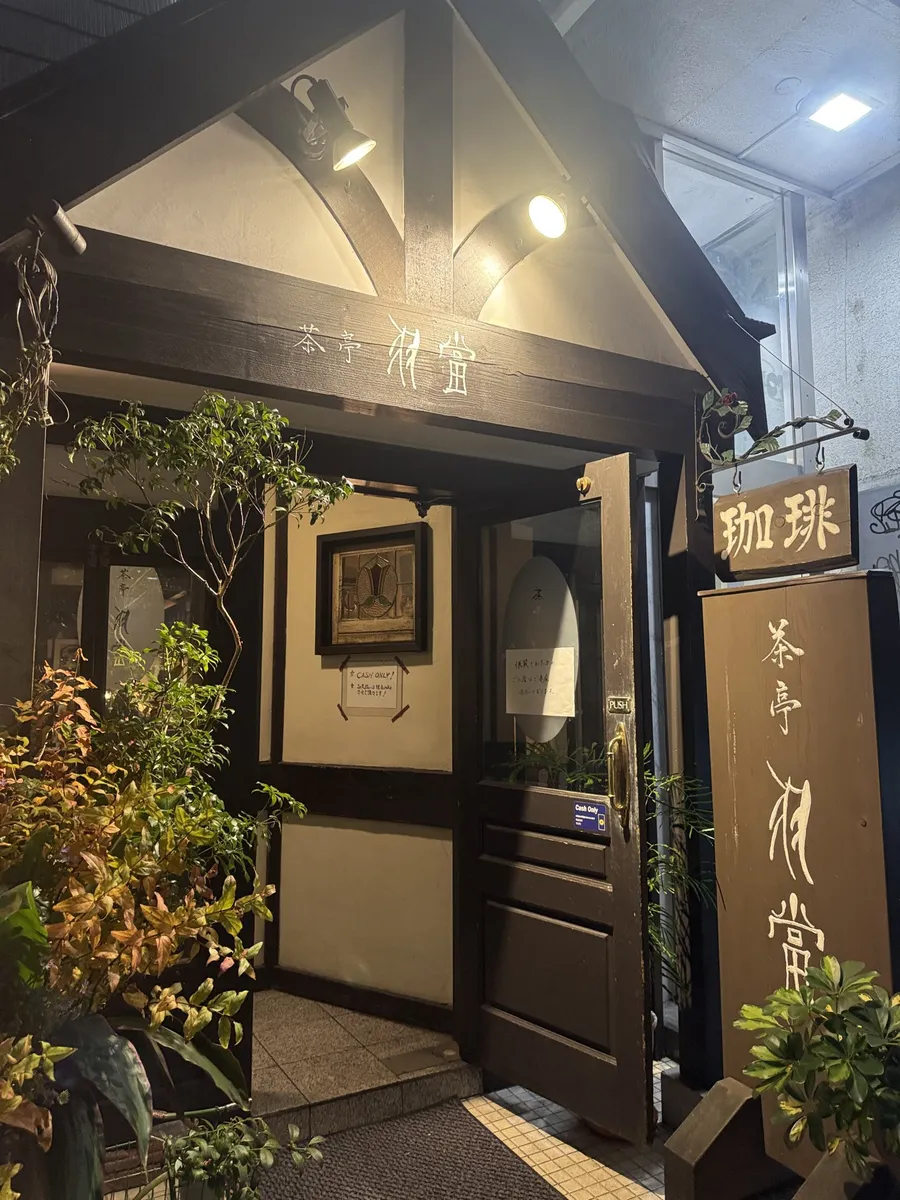
Step away from the crowds for a kissaten break. Japan’s traditional coffee-shop culture offers another way to experience the city: sit down, order a coffee, and let the afternoon slow a little.
If you want souvenirs that feel Japanese to a Japanese person, this is one of my picks. Nakagawa Masashichi Shoten brings together craft and everyday objects from across Japan: things to enjoy at home, rather than souvenirs made only for visitors.
To me, this is a lovely way to take a little of Japan home: something thoughtfully made, with a place in daily life.
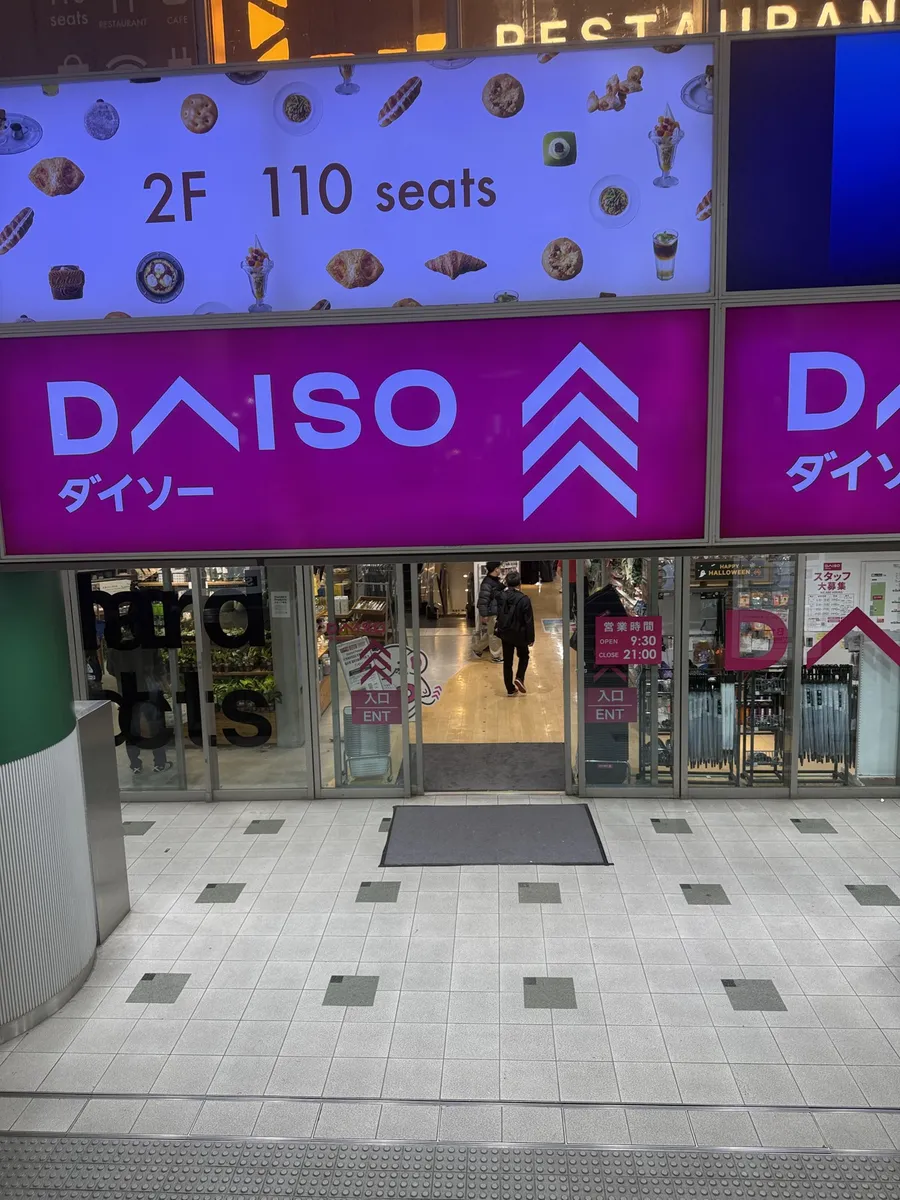
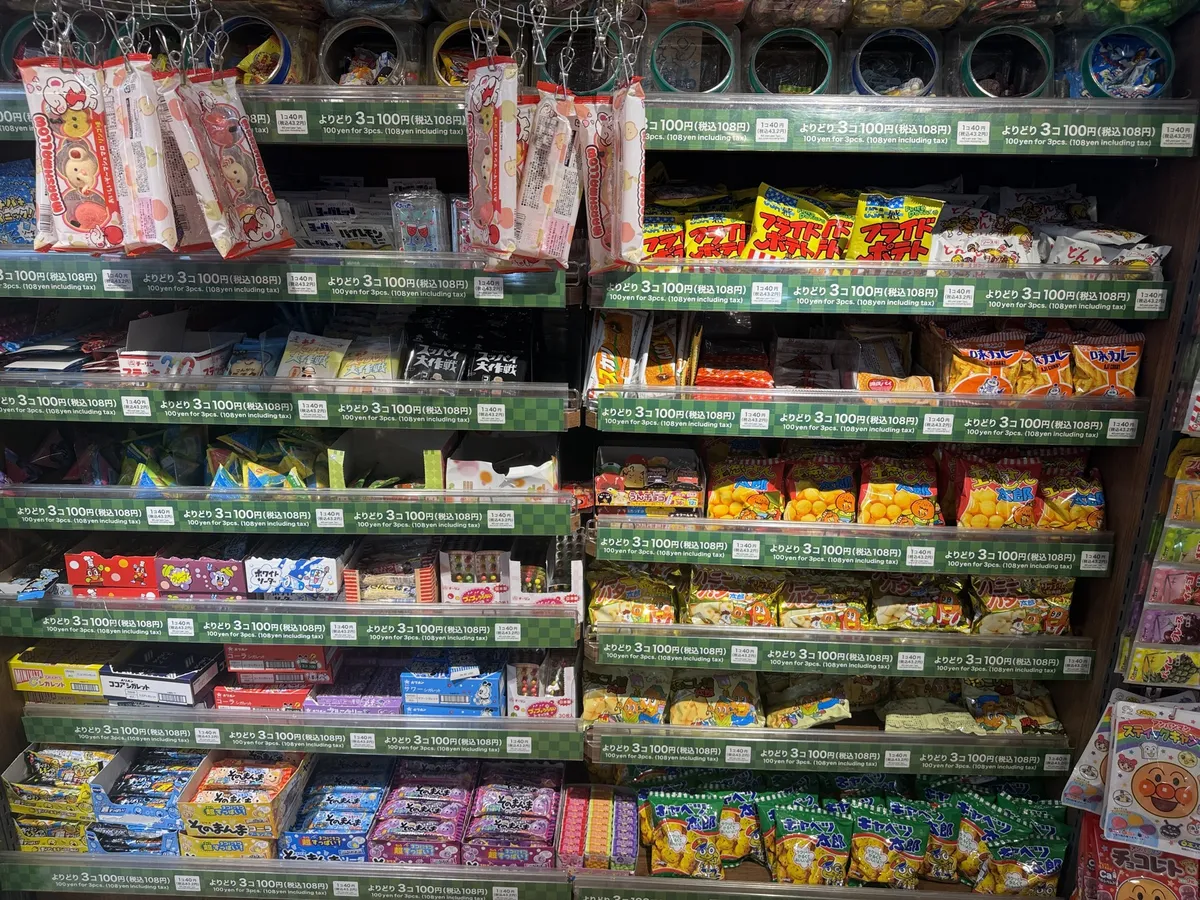
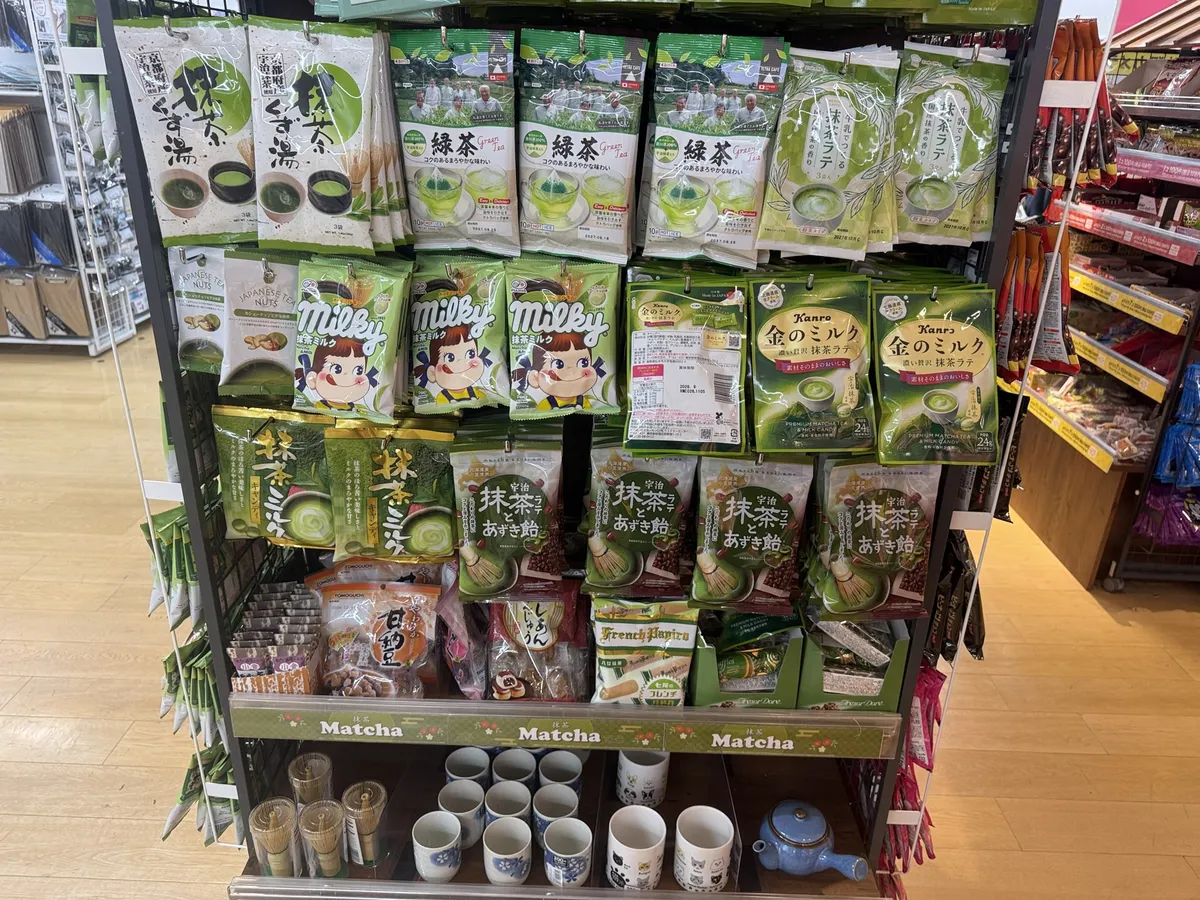
DAISO Shibuya Mark City.Dagashi: small treats to choose from.Matcha sweets and other Japanese finds.
DAISO has stores all over Japan, but the Shibuya Mark City branch is one I especially recommend for its exceptionally wide selection. To me, it is a top pick for variety, making it easier to find something you genuinely like—from everyday items and stationery to little gifts to take home. If you are only stopping at one DAISO during your trip, this is a great one to choose.
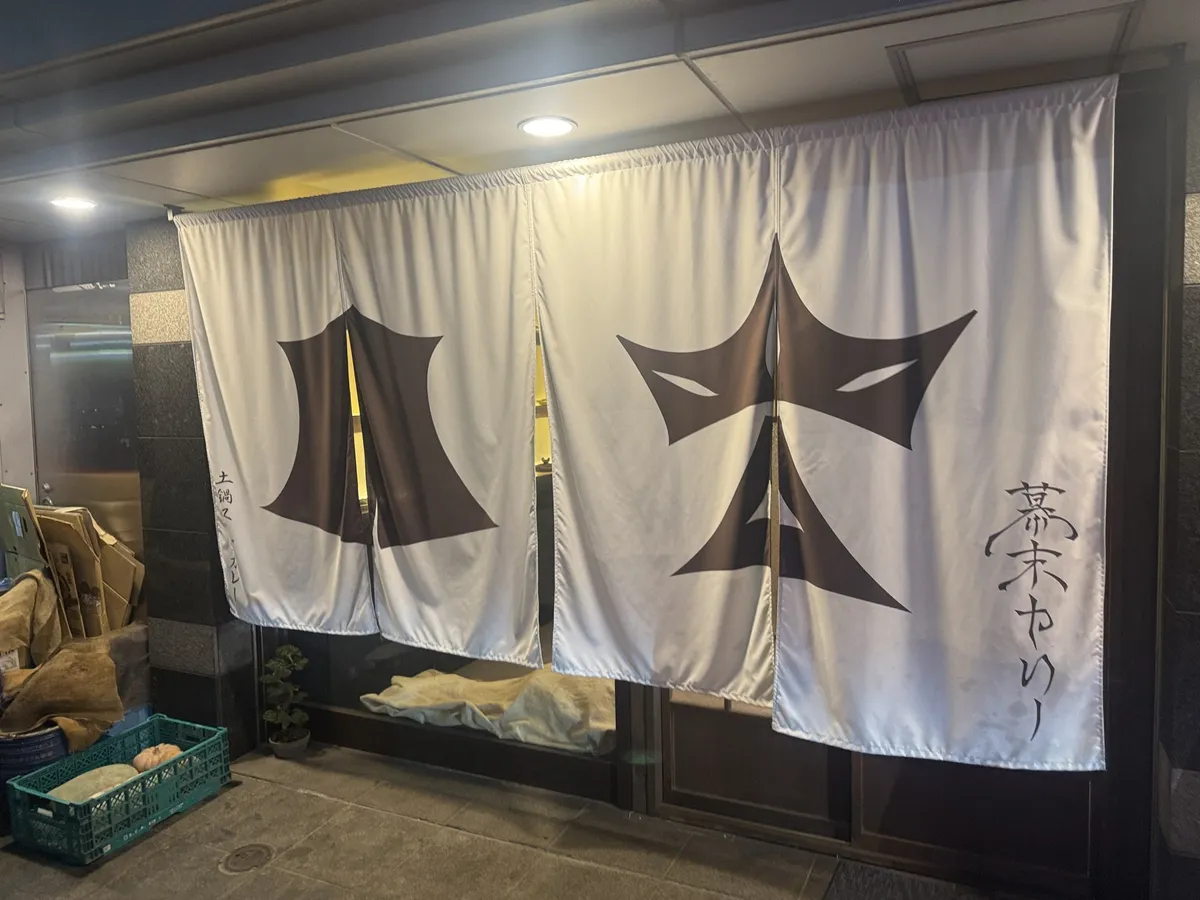
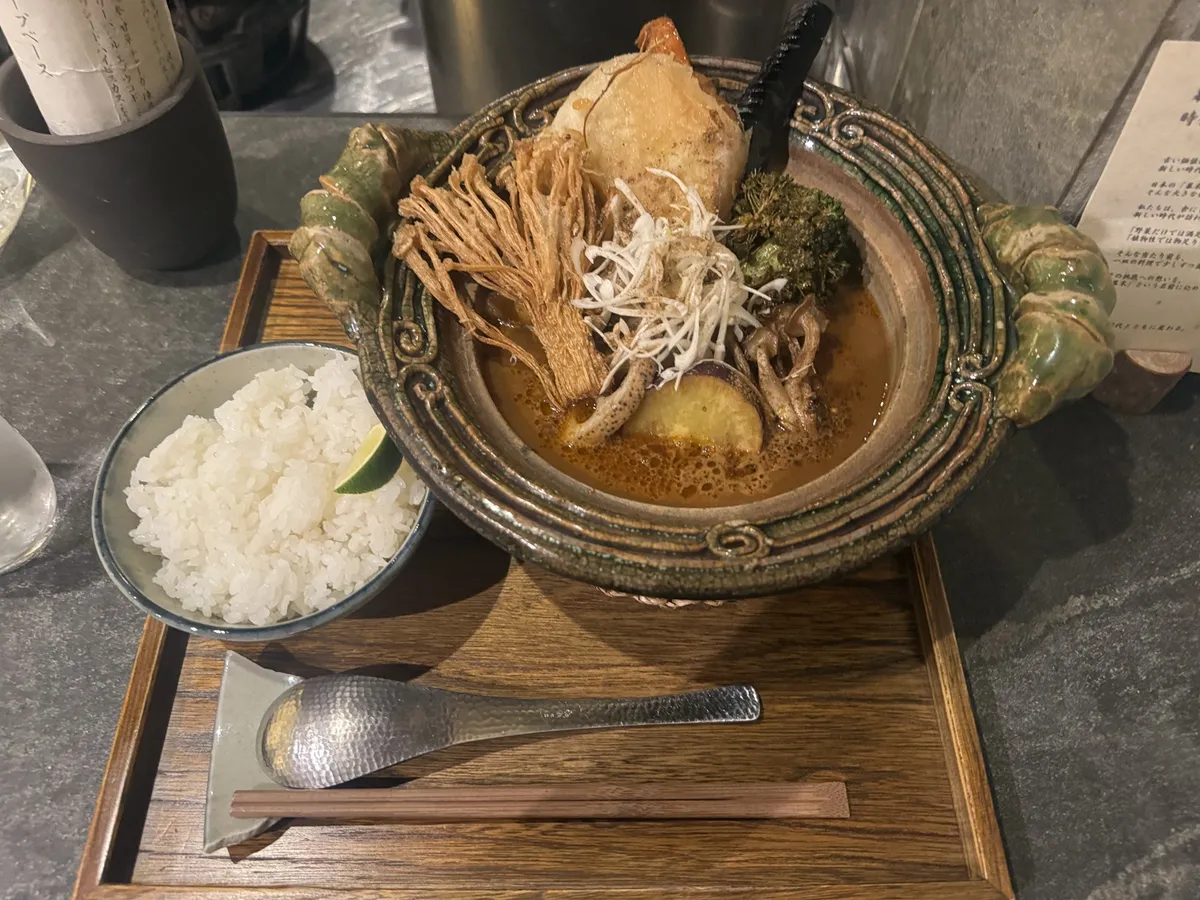
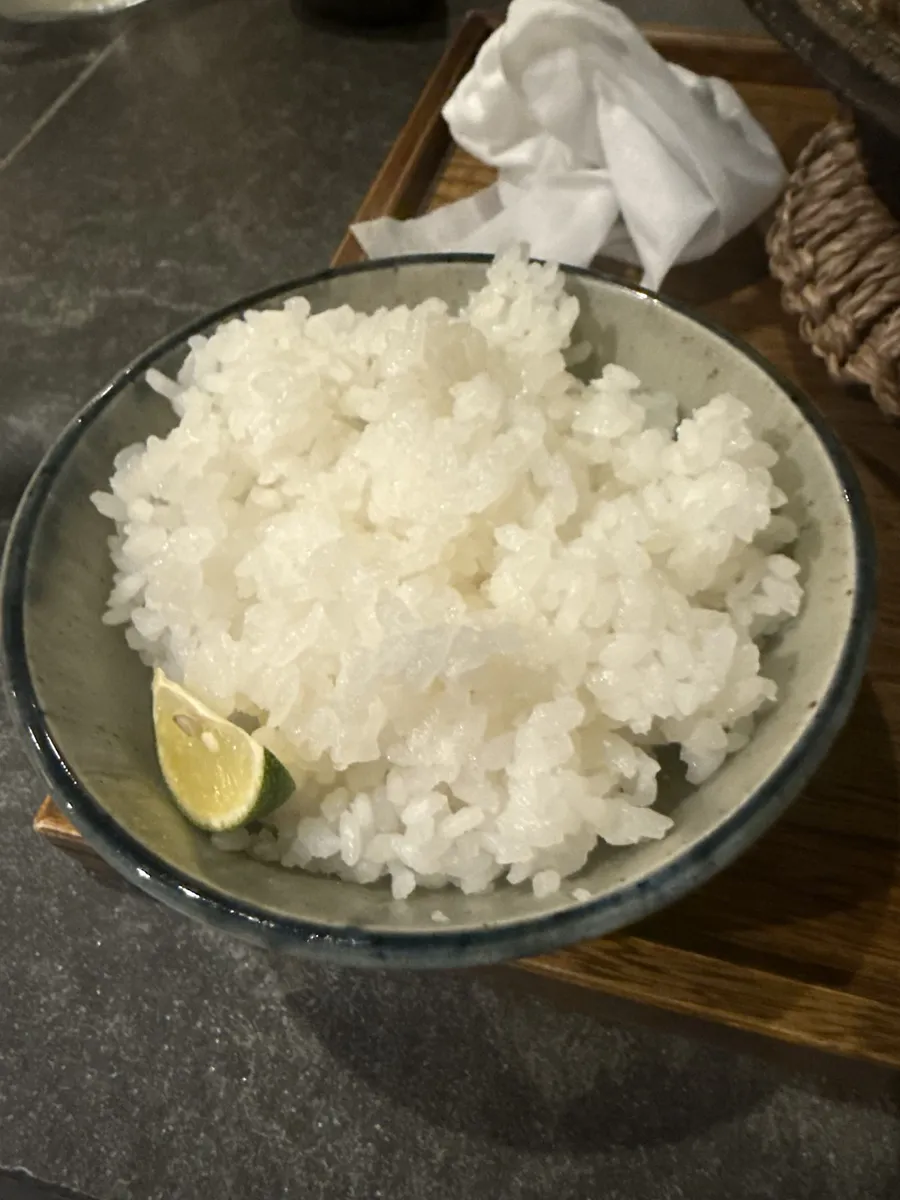
The entrance to Bakumatsu Curry〈幕末カリー〉.Vegetable soup curry in a clay pot.Rice with free refills, served with sudachi citrus.
For a meal, head toward Shōtō for soup curry served in a donabe clay pot. It is a different side of Japanese curry, and a good reason to wander beyond the busiest streets.
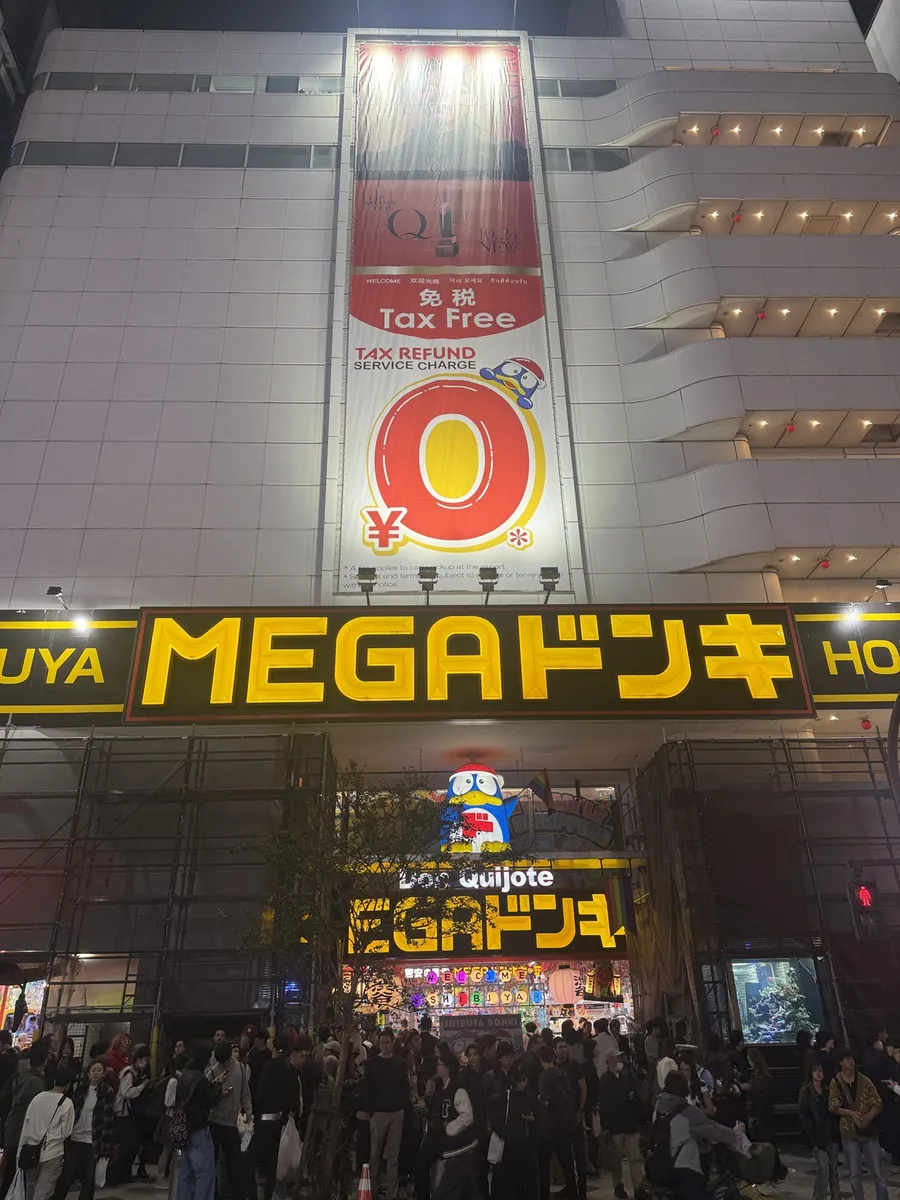
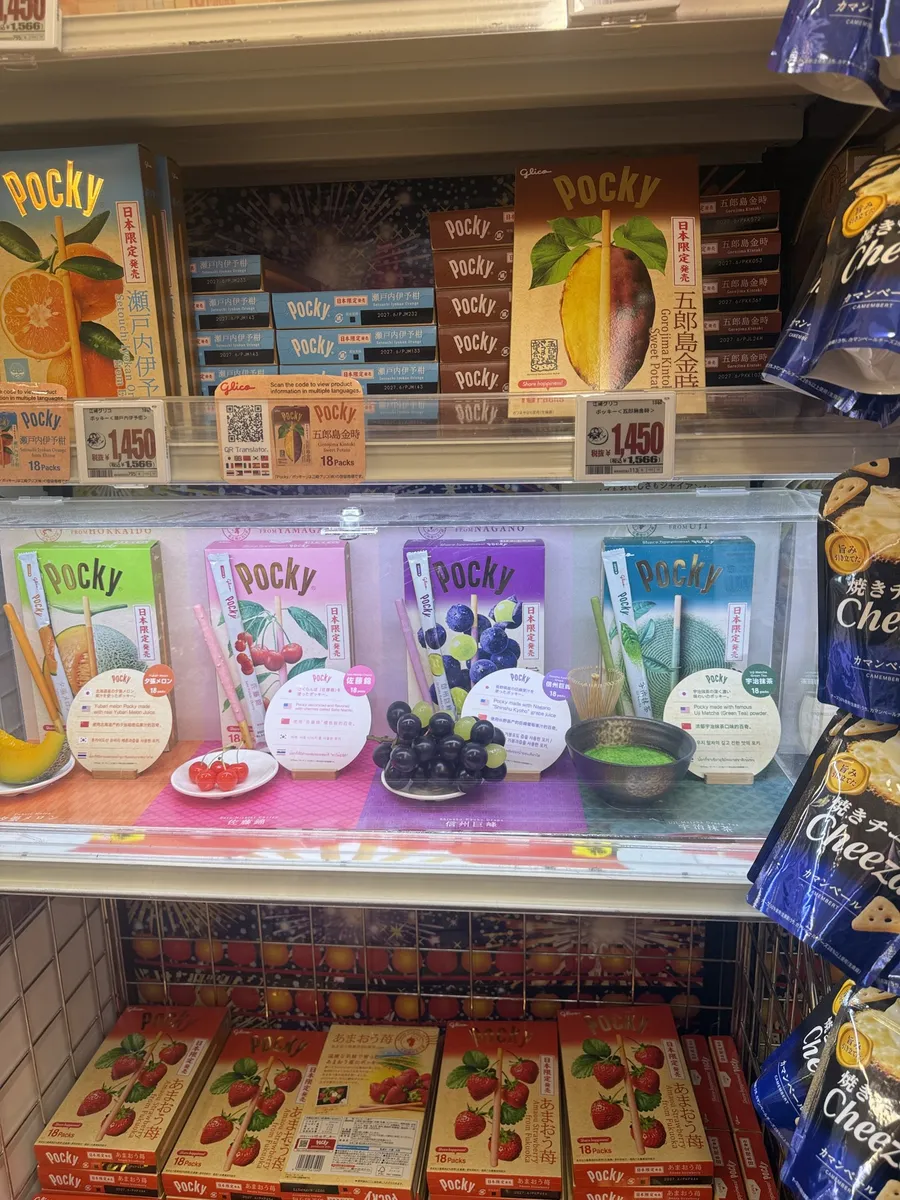
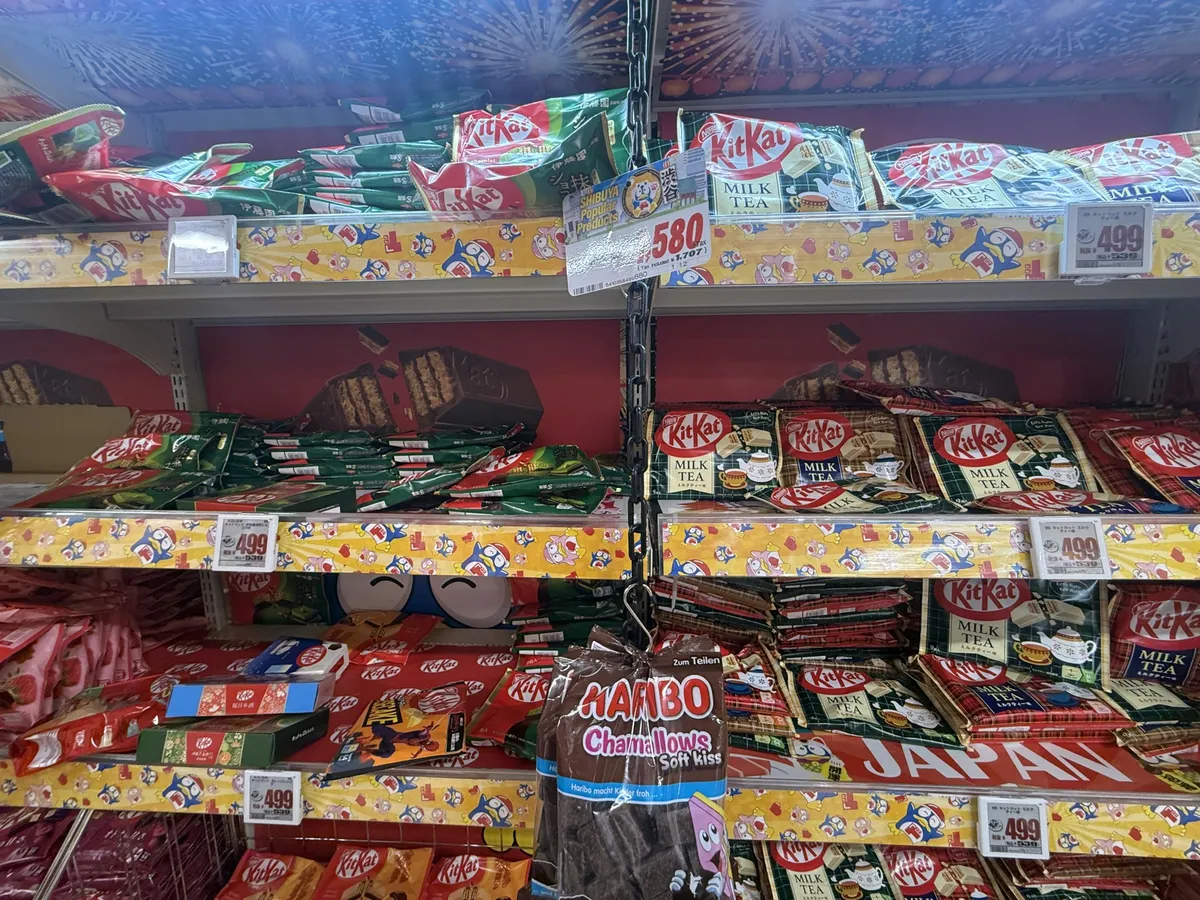
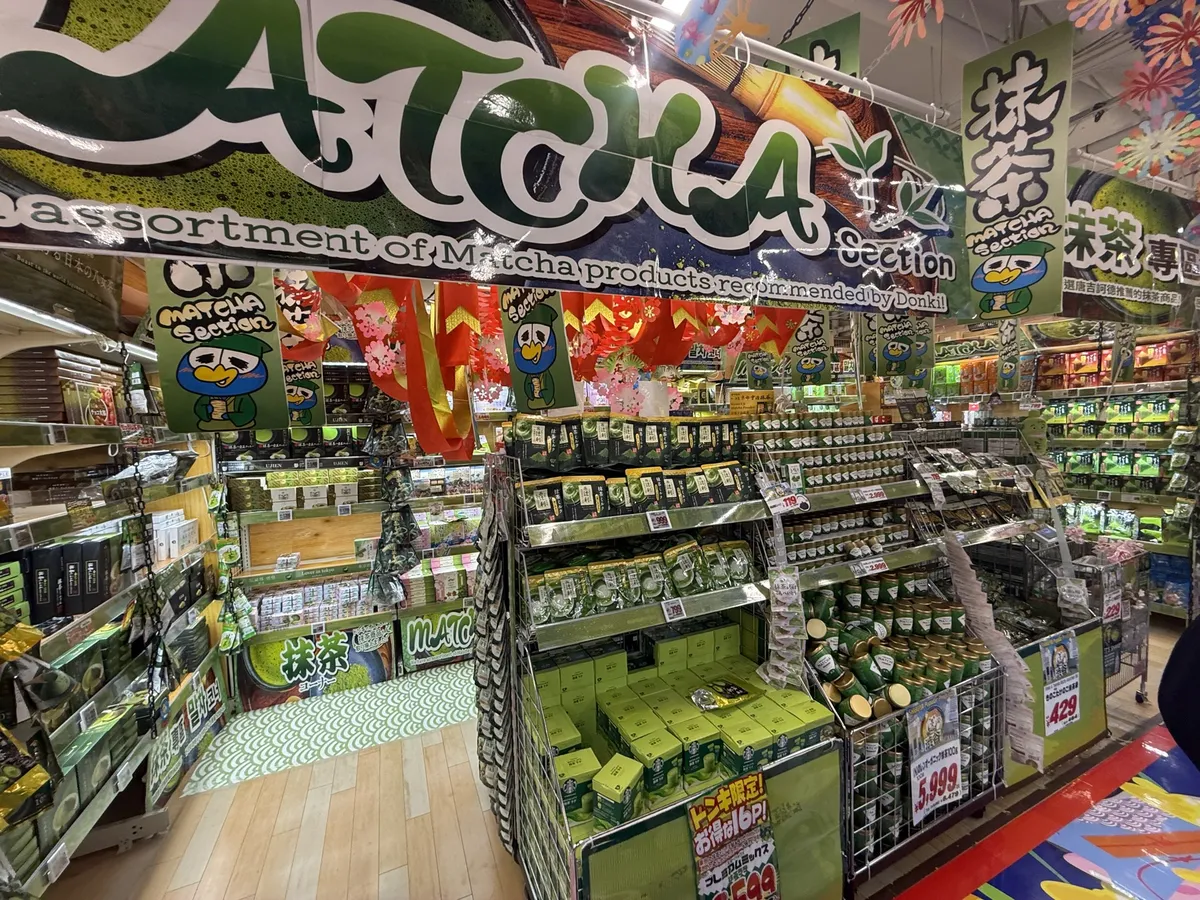
MEGA Don Quijote Shibuya main store.Japanese snacks in a variety of flavors.A colorful selection of KitKat flavors.Matcha and Japanese tea finds.
A great place to hunt for souvenirs, with a wide variety of flavors of Japanese snack favorites such as KitKat and Pocky—more than I would usually come across in a neighborhood supermarket. Beyond the sweets, the shelves are packed with matcha and other distinctly Japanese finds, making browsing part of the fun.
Harajuku makes me think of teenage trends and the playful world of kawaii. It is a neighborhood I associate with the beginnings of new youth styles: colorful, expressive, and happy to stand out. The mood feels younger and more experimental than its neighbors.
09
Taste
Enseigne d’angle · Harajuku
A quieter cup in Harajuku.
アンセーニュダングル 原宿店
For a different side of Harajuku, make time for Enseigne d’angle, a Japanese-style kissaten. It was selected for Tabelog’s Kissaten Hyakumeiten 2026, the restaurant-review platform’s “100 Famous Kissaten” list.
I am usually the first to get excited about a good café. But for this guide, I am exercising a little self-restraint and steering you toward Japan’s own kissaten instead. Apparently, even my café habit has to behave when I am showing friends around Japan.
Founded in 1920, Meiji Jingū is a Shinto shrine dedicated to Emperor Meiji and Empress Shōken. Just beyond Harajuku’s busy streets, its wooded approach invites you to slow down. Known as one of Tokyo’s best-loved “power spots”—places people visit for spiritual renewal—it welcomes many visitors carrying wishes of their own.
Nature makes this a place to return to throughout the year: fresh growth in spring, leafy shade and the Inner Garden’s June irises, autumn colors, and the stillness of winter. Each season brings a different reason to take the long way through the trees.
For a meaningful keepsake, I recommend an omamori, a small protective amulet, or a goshuin, the shrine’s calligraphy and seal commemorating your visit. The latter is a personal record of your visit; an omamori can also carry a wish home to someone you care about.
To me, Takeshita Street is the kind of place that makes the hearts of elementary- and junior-high-school kids race: playful clothes, little accessories, and sweets almost too colorful to eat. A hub of Japan’s kawaii culture, it turns the simple pleasure of finding something cute into an entire afternoon.
Here, you do not need to worry about what other people think. This is a place to embrace what you love and express it in your own way.
It is also known as a place where talent scouts have discovered future stars. Actor Kento Yamazaki has spoken about being scouted here on his way back from a football match—a very ordinary day taking a rather unexpected turn.
Beyond the fashion, a crepe is a Harajuku classic. Browse the shops, choose something sweet, and enjoy watching how the younger generation makes the latest trends its own. After the quiet of Meiji Jingū, the change in mood is part of the fun.
If you love Sanrio characters, make time for a Sanrio shop. For dog lovers, Samoyed cafés are another popular stop in Harajuku. Both draw Japanese visitors too—different ways to spend a little time with something you love.
Omotesando feels glamorous and polished, with luxury brands setting the tone. This is the Tokyo I associate with a refined eye for fashion and a sense of occasion. Even when I am just browsing, I find myself standing a little straighter.
That said, I will leave the international luxury brands out of this guide—you can probably find those back home, and your suitcase did not travel all this way just to meet the same handbags.
12
Explore
Nezu Museum
A little stillness, deeply Japanese.
根津美術館
If Kyoto does not fit into your itinerary, do not worry: you can still find a wonderfully Japanese sense of beauty right here in Tokyo. A short walk from Omotesandō’s fashion boutiques, the Nezu Museum brings together Japanese and East Asian art, contemporary architecture by Kengo Kuma, and a tranquil Japanese garden.
Opened in 1941 to share the collection of businessman Nezu Kaichirō, the museum is as much a place to slow down as it is to look at art. Outside, stone paths lead past lanterns and teahouses, with the seasons quietly changing the scenery.
For photographs full of Japanese atmosphere, I would make time for the garden: greenery, stone, and those little compositions you notice when you stop rushing. Then, if you fancy a pause, enjoy the garden views from NEZUCAFÉ.
Daikanyama brings to mind stylish people with an effortless, considered sense of taste. To me, its appeal is a quieter kind of sophistication. It is somewhere I go to browse fashion—and find a little inspiration along the way.
13
Taste
Zōniya Torii
A drink, with a taste of Japan.
雑煮屋 鳥居
Between Shibuya and Daikanyama, Zōniya Torii is a dining bar for an evening of drinks and Japanese food. I would recommend it to anyone who wants to enjoy a drink while getting a little closer to Japanese food culture. Alongside your evening, try ozōni, a soup with mochi rice cakes that, for many of us, brings the New Year table to mind.